
Industrial buildings are tough, but the spots that are hard to reach can develop issues before you even see them. Tanks, bridges, stacks, and tight spaces are key for factories in British Columbia, but they’re also the toughest to check and keep up.
When you can’t get to them easily, small problems can turn into big safety risks, stop operations, or cause pricey shutdowns. That’s why many factories depend on pros who know how to get into and fix these tough spots.
Here are five common hidden problems in hard-to-reach spots, plus what you can do about them.
1. Rust in High or Confined Space Areas
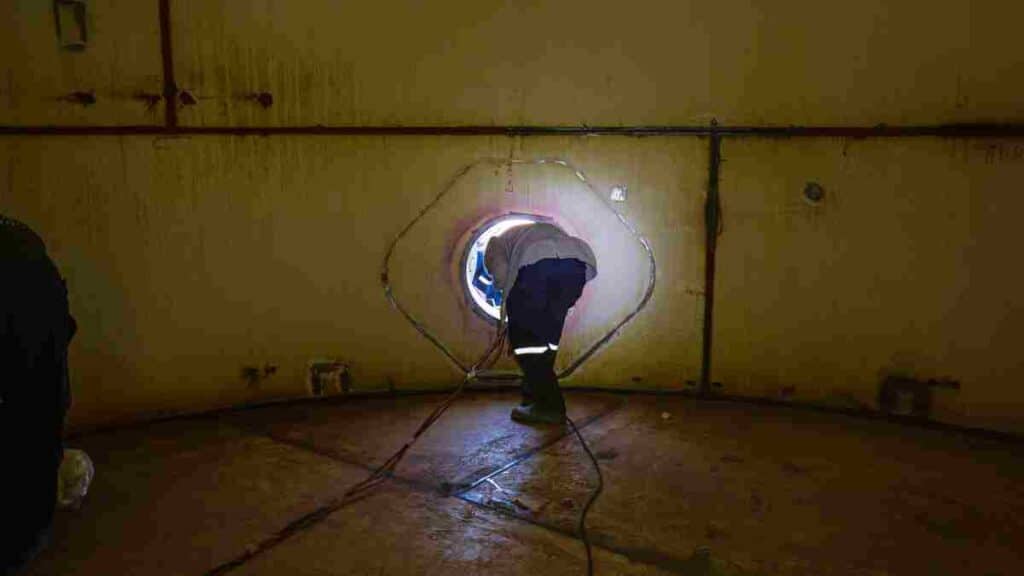
Rust is a big threat to industrial buildings, especially in tanks, stacks, and bridges that get wet, are around chemicals, or go through extreme temperatures.
The trouble is, rust often starts where you can’t see it, like:
- Inside tank walls
- Inside stacks
- Under bridges
- Where structures connect
Because these spots are hard to get to, rust can get worse for years before you find it.
Why it matters
If rust isn’t stopped, it can:
- Weaken structures
- Pollute the environment
- Break equipment
- Force emergency shutdowns
Solution
Have industrial maintenance companies check regularly, using things like rope access or going into tight spaces. This lets them spot rust early and put on coatings or fix the structure before big damage happens.
2. Tired Structures and Tiny Cracks
Industrial bridges, high platforms, and support structures are always shaking, carrying weight, and dealing with weather. Over time, this can cause tiny cracks in welds, beams, or other parts.
These cracks are often in tough-to-check spots, like:
- Welds on high steel structures
- Bridge supports
- Support columns inside tanks
Why it matters
If you ignore it, structural fatigue can cause structures to fail or shut down the whole place.
Solution
Regular checks and upkeep by experienced contractors can catch small cracks early. Welding fixes, reinforcement, and structural maintenance keep things safe and up to code.
3. Dangerous Situations in Tight Spaces

Tight spaces such as industrial building, silos, and vessels have special dangers for workers and the buildings themselves.
These spaces might have:
- Poisonous gases
- Not enough oxygen
- Flammable fumes
- Chemical stuff
Because these spaces are hard to get into and watch, things can get dangerous without warning.
Why it matters
Accidents in tight spaces are some of the most dangerous things that can happen in factories.
Solution
Follow the right steps for going into tight spaces. Professional contractors use strict safety rules, including:
- Testing the air
- Using ventilation
- Planning for rescue
- Having certified people
This makes sure checks and maintenance are done safely and well.
4. Coating Problems
Industrial structures depend on coatings and paint to stop rust, chemical damage, and wear from the weather.
But coatings in hard-to-reach spots, like inside stacks or on high steel, often wear out faster because of:
- Heat
- Chemicals in the air
- Sunlight
- Moisture
Because these spots are rarely checked, coating failure can go unnoticed until rust or structural damage is visible.
Why it matters
When coatings fail, the metal underneath can quickly rust.
Solution
Regular checks and upkeep from painting companies keep coatings in good shape. Recoating and prepping surfaces help critical buildings last longer.
5. Hidden Mechanical Problems

Factories often have machines in high or closed-in spots, like compressors, air conditioning, and other equipment.
When these are hard to get to, they might not get regular maintenance.
Common hidden problems include:
- Compressor wear
- Air conditioning failures
- Loose connections
- Misaligned equipment
Why it matters
Mechanical problems can quickly cause production to stop or need emergency fixes.
Solution
Schedule maintenance by experienced mechanics to check and service equipment, even in tough spots.
Why Specialized Maintenance is Important
Hard-to-reach spots need more than basic maintenance. They need special expertise, tools, and safety steps.
Experienced industrial maintenance companies offer services like:
- Rope access checks
- Tight space entry and maintenance
- Welding and structural repair
- Painting and coatings
- Machine and compressor maintenance
These services help factories spot risks early, make buildings last longer, and avoid costly shutdowns.
Be Proactive to Protect Your Buildings
Industrial tanks, bridges, stacks, and tight spaces are key to safe and smooth operations. But because they’re hidden, they’re more likely to have unnoticed damage.
By working with experienced contractors, factories can make sure these spots get the regular checks and special maintenance they need.
Fixing hidden risks now can help you avoid big repairs, safety problems, and shutdowns later.
Keep Your Industrial Site Safe with Proactive Maintenance
Structures that are hard to reach need special skills, safety steps, and upkeep plans. Checking things regularly and taking action to prevent problems can help find risks early, before they become pricey fixes or safety issues.
Tatras Industrial offers skilled industrial maintenance services all over British Columbia. We handle inspections, repairs, welding, coatings, and general maintenance on structures that aren’t easy to get to, like tanks, bridges, stacks, and tight spaces.
If your business needs dependable industrial maintenance or structural checks, our team is here for you.
👉 Get in touch with Tatras Industrial Group now to talk about what you need for maintenance and set up an inspection.
FAQ
Most industrial tanks, stacks, bridges, and tight spaces should be checked at least once a year. If your place deals with heavy use, chemicals, or bad weather, you might need to check them more often.
Industries like manufacturing, mining, cement, power, paper, and food often have tanks, stacks, bridges, and tight spots that need special upkeep.
To check and keep up those hard-to-reach spots safely, you often need things like rope access, someone to go into the tight space, or special gear.
For sure. Checking things out regularly and keeping up with maintenance helps catch problems early. That way, you don’t have to deal with pricey emergency shutdowns.