
In British Columbia’s industrial sectors, stainless steel welding plays a crucial role, especially where corrosion resistance and durability are priorities in manufacturing, processing plants, utilities, and infrastructure. But not all welding techniques are equal. Picking between MIG and flux core welding can really affect how strong and reliable your components end up.
If you’re trying to find local stainless steel welding options or decide on the best welding method, knowing the differences is key. It can save you from early failures or costly repairs down the line.
What Is Stainless Steel Industrial Welding?
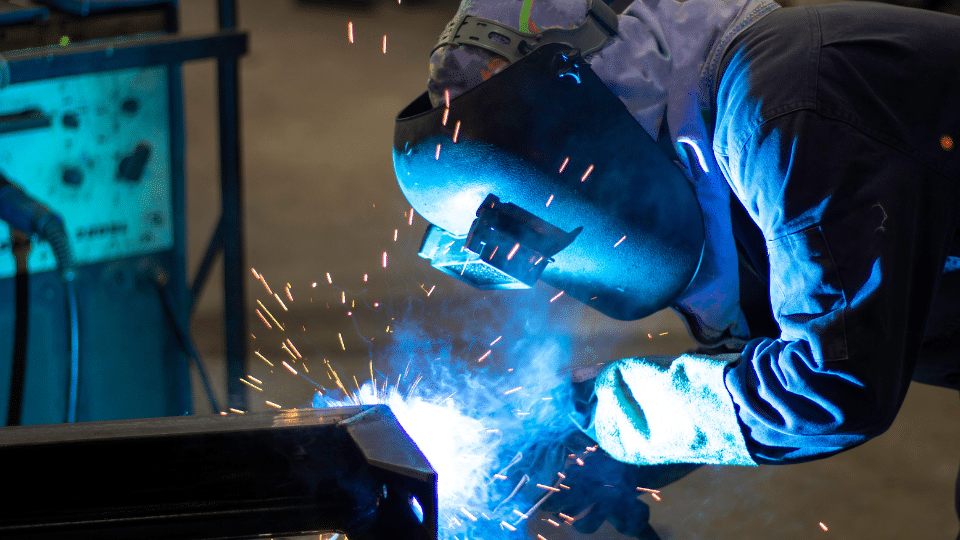
Stainless steel welding involves joining corrosion-resistant alloys used in industrial systems and structures. Working with an experienced industrial welding company in BC is essential.
Materials commonly used in stainless steel welding
- Tanks and pressure vessels
- Piping and pipeline systems
- Food-grade and sanitary processing equipment
- Structural components exposed to moisture or chemicals
- Mechanical systems requiring long-term durability
Unlike carbon steel, stainless steel requires more controlled welding processes to prevent:
- Corrosion at the weld site
- Warping or distortion
- Weak joints due to improper heat control
Stainless Steel MIG Welding

Let’s talk about stainless steel MIG welding first. This method, also known as Gas Metal Arc Welding, is favoured indoors where precision and appearance matter.
Key Advantages:
- Clean, smooth weld finish
- Lower spatter and minimal cleanup
- Faster welding speeds
- Ideal for thin to medium thickness materials
Best use cases:
- Indoor industrial environments
- Fabrication and controlled shop work
- Applications requiring clean or visible welds
However, MIG welding is more sensitive to environmental conditions and requires shielding gas, making it less suitable for exposed or high-wind environments.
Stainless Steel Flux Core Welding

On the other hand, stainless steel flux core welding offers tougher performance where conditions are rougher in demanding environments.
Key advantages:
- Strong penetration for thicker materials
- Better performance in outdoor conditions
- Less sensitive to wind and environmental factors
- Suitable for heavy-duty industrial applications
Best use cases:
- Outdoor or exposed job sites
- Structural welding in industrial environments
- Thick stainless steel components
- Maintenance and repair work
Given BC’s variable weather and industrial settings, flux core often ends up preferred for outdoor work.
MIG vs Flux Core: Which Is Better for Industrial Welding?
So, which is better? It hinges on your materials, applications and environment.
When to choose MIG welding:
- Working indoors or in controlled environments
- A clean, precise weld is required
- Material thickness is moderate
When to choose flux core welding:
- Working outdoors or in harsh conditions
- Welding thicker materials
- Strength and penetration are the priority
In many industrial welding projects, both methods may be used depending on the specific welding requirements of each component.
Common Challenges in Stainless Steel Welding
Stainless steel welding presents several technical challenges that require experience and proper technique.
Heat Control and Distortion
Stainless steel is sensitive to heat. Improper control can lead to:
- Warping
- Loss of corrosion resistance
- Structural weakness
Contamination Risks
Contaminants can compromise weld quality, leading to:
- Rust formation
- Reduced durability
- Premature failure
Corrosion at Weld Points
If welding is not performed correctly, the protective properties of stainless steel can be weakened.
This is why proper technique and qualified industrial welders are essential.
Stainless Steel Welding in Active Industrial Environments
In BC, stainless steel welding is often performed in operational facilities. This introduces additional challenges:
- Limited access to welding areas
- Need to work around active equipment
- Exposure to environmental conditions
- Tight project timelines
Tatras Industrial specializes in on-site stainless steel welding, ensuring work is completed efficiently without disrupting operations.
Rope Access Stainless Steel Welding in BC

Many stainless steel sites are located in areas that are difficult to access, such as:
- Elevated piping systems
- Tanks and vessels
- Structural components at height
- Confined industrial spaces
Tatras Industrial uses rope access welding techniques to safely perform stainless steel welding in these environments.
Benefits of rope access welding include
- Reduced need for scaffolding or lifts
- Faster project execution
- Lower overall costs
- Improved safety in complex environments
Industrial Applications of Stainless Steel Welding in BC
Tatras Industrial supports stainless steel welding projects across:
- Manufacturing and processing facilities
- Food and beverage plants
- Chemical and industrial systems
- Water and wastewater infrastructure
- Structural and mechanical applications
Each application requires a tailored approach based on material, environment, and system requirements.
Why Work with a Stainless Steel Welding Company in BC
Stainless steel welding requires a high level of precision and expertise.
Working with a professional industrial welding company near you ensures:
- Proper welding techniques and material handling
- Long-term corrosion resistance
- Structural integrity and durability
- Compliance with industry standards
Tatras Industrial provides:
- Experienced industrial welders
- On-site welding services across BC
- Rope access capabilities for hard-to-reach areas
- Strong focus on safety and quality
Expert Stainless Steel Welding Services in BC

Choosing the right welding method and the right contractor makes a major difference in performance, safety and longevity.
Tatras Industrial provides stainless steel welding services across British Columbia, including complex industrial environments and hard-to-access areas.
Contact Tatras Industrial today to discuss your stainless steel welding project and get reliable, long-lasting results.
Frequently Asked Questions About Stainless Steel Welding
It is the process of welding corrosion-resistant materials used in industrial systems and structures.
A welding wire used for clean, precise welds in controlled environments.
A wire designed for stronger welds in outdoor or heavy-duty conditions.
It depends on the environment and material—MIG for precision, flux core for strength and outdoor use.
In tanks, pipelines, structural components, and industrial systems.